

5 Reasons Ninja Gaiden: Ragebound gets Difficulty Right
The Game Kitchen finds the right balance between fun and frustration!

Design Dive is our dedicated series on the intersection of AI with game design. Sometimes we dig deep into the technical challenges, other times it’s all about finding how it brings the fun to your favourite games.
Subscribe and support AI and Games to keep up to date with everything we’re working on, with weekly editions of our newsletter appearing in your inbox.
2025 brought not just another lap around the sun, but the latest entry in the never-ending conversation surrounding difficulty in video games. Now yes, for the most this was brought on by the release of Hollow Knight: Silksong, but I’ll be honest I still haven’t played the first one yet.
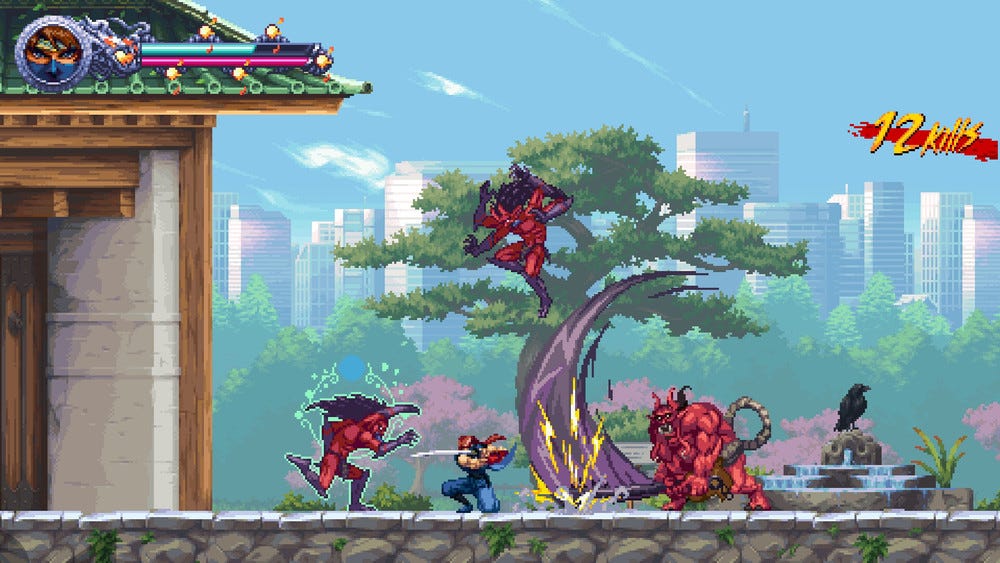
But what I did play was Ninja Gaiden: Ragebound! Developed by Spanish studio The Game Kitchen - known for the Blasphemous series - and published by Dotemu, this hack’n’slash platformer harks back to the classic entries of the series on the Nintendo Entertainment System and is the first 2D game in the franchise in 30 years. It’s fast paced, requires precision in movement and combat, and while not as challenging as the originals, it is a worthy addition to (Koei-)Tecmo’s beloved franchise.
But what is perhaps the best part about Ragebound, is that it not only provides a challenge worthy of classic Ninja Gaiden titles for more seasoned players, while also being remarkably accessible to newcomers, and it largely comes down to how enemy AI sits in the mix.

The 5 Things Ragebound Gets Right
There are five key elements of Ragebound that make it work as well as it does:
Normal difficult is tough, but not overwhelmingly so.
The suite of accessibility features help give newcomers a means to get in and enjoy the game.
Talismans if you want to remove friction, or increase the challenge.
The secret hard difficulty is where things ramp up.
And it’s all driven largely by an element of fairness that helps keep the game consistent.
So let’s break this down a bit more, by starting with the last point on this list. Given it’s perhaps the most critical.
1. An Element of Fairness
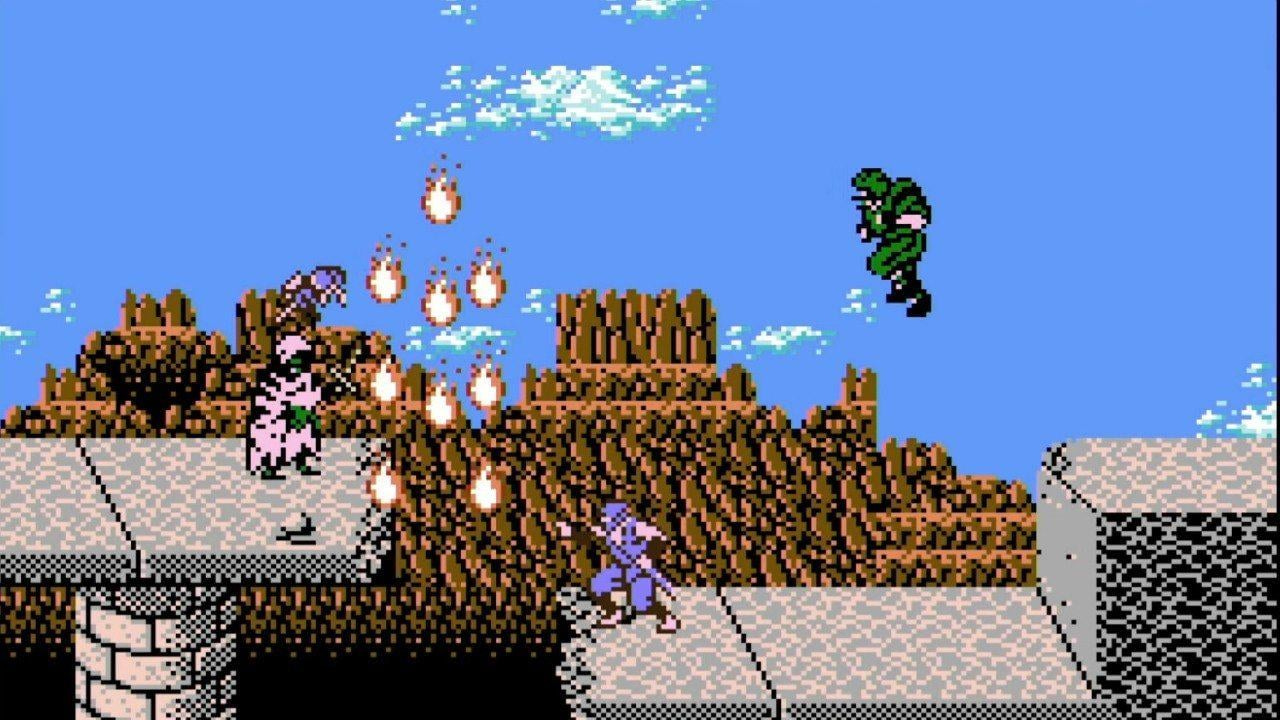
Let’s not sugar coat it, Ragebound can be pretty challenging at times. But while the game is an homage to the Ninja Gaiden games of old, it finds ways to embrace the challenge of those older titles, but without relying on many of the punishing aspects of the originals. The NES Ninja Gaiden had awkward fallback from taking damage alongside short invincibility windows, combined with level design where the fallback would often drop you into pits, and enemies that would repeatedly re-spawn off screen. It forced players to repeatedly tackle sequences such that rote memorisation was more important than skill in order to progress successfully.
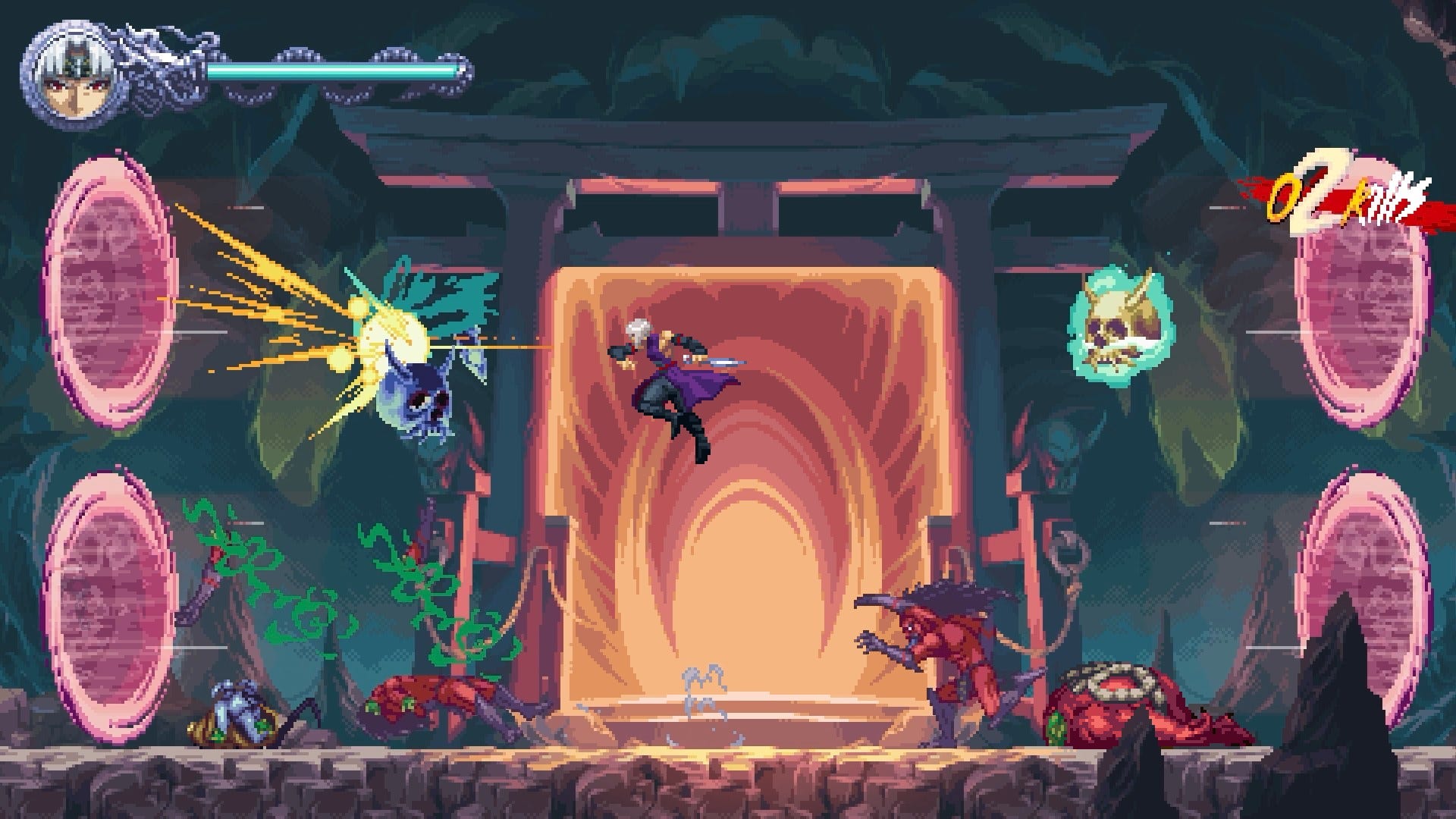
Ragebound avoids all of this, and focusses instead of having you face off against waves of enemies in fixed encounters, and while you have to pay close attention to which archetypes are in play, what auras they present, and sometimes even the order in which you should eliminate them, it does so in a manner that keeps the overall ‘fairness’ of the game’s design consistent. Encounters are largely deterministic, meaning we can guarantee how they will go down each time, and as such while you might struggle on the first go around, you can learn from this experience to try again in a subsequent attempt.
2. Normal is Tough, But Consistent
While subtle, it's this element of fairness that is the cornerstone of the entire difficulty scaling of Ninja Gaiden: Ragebound. Sure, it means that this game is ultimately nowhere near as hard as many of the originals, but I think that’s to the game’s benefit: it helps establish the rules of play, and how encounters are designed. From there the player can begin to understand how each NPC archetype works, and the challenges that are introduced when they are presented in specific configurations.
This core balance means that the game can retain a sense of challenge that players can understand and more readily learn to overcome. And in turn the game can begin to increase the pressure, creating more complex encounters and introducing new enemy types. Each enemy presents a new ingredient to each encounter’s recipe, and one addition or removal can fundamentally change how you might approach one group of enemies versus another. The game expects you to learn how these combinations mix, and also how their placement combined with level geometry will make for a more challenging sequence.
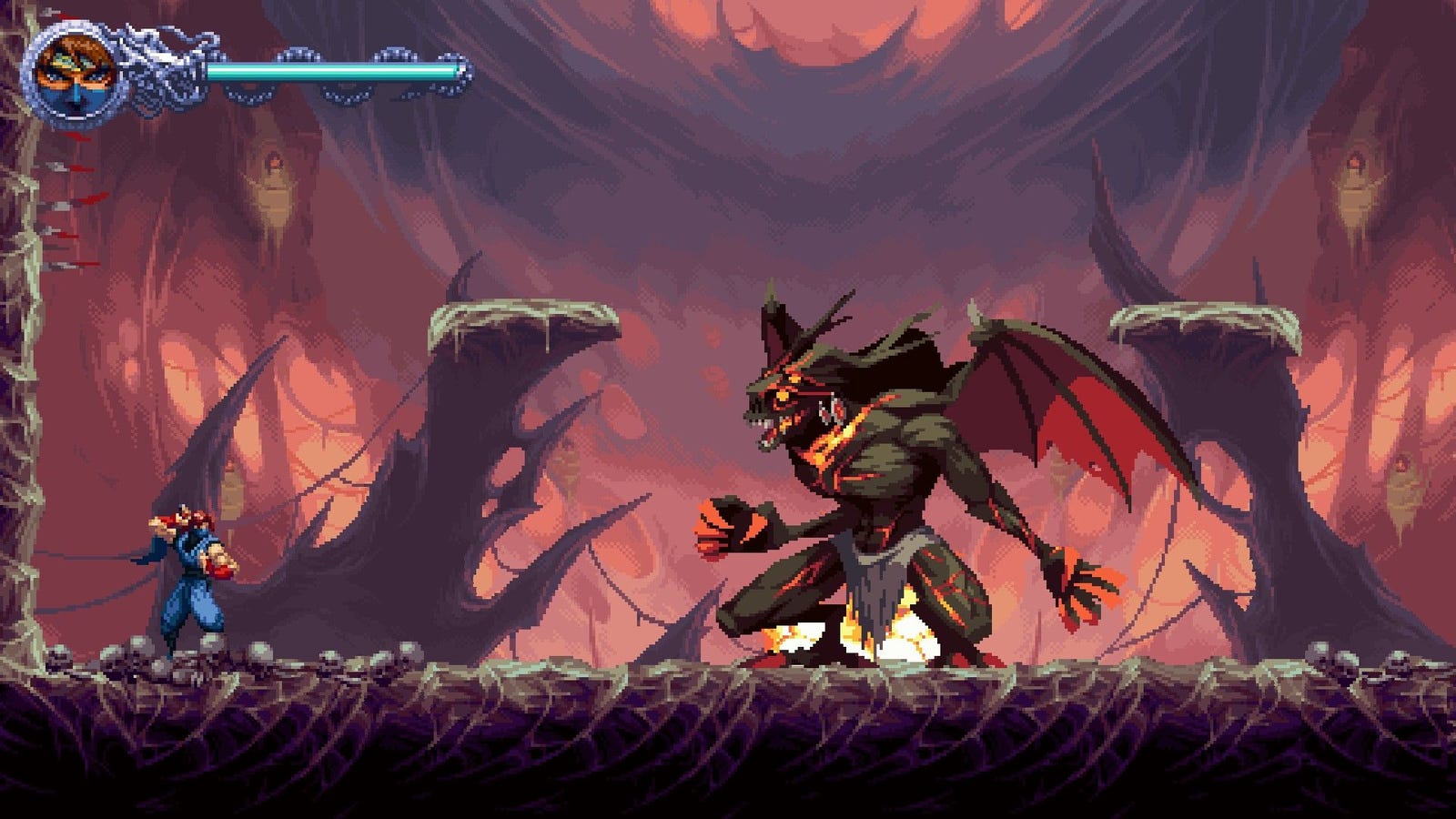
While the levels are increasingly challenging, the push from survival into mastery often comes from the rankings. With each level having the player score anywhere from a D rank up to S. The ranking system encourages you to go back and replay levels to learn their patterns, not just to ensure you take out enemies quickly, but avoid taking damage, maintain your combo counter, complete challenges and grab all the collectables throughout each level.
3. The Accessibility Features
While focussing on the ranking system is bound to keep many a player busy, getting to grips with the core of the game may still prove a challenge for novice players, or for those who have disabilities that may well prevent them from engaging at the level of dexterity Ragebound requires - and this leads us to the accessibility settings. Turning on the assist modes in Ninja Gaiden Ragebound allows you to modify a bunch of the core gameplay to suit your needs. Be it reducing the game speed to 50%, removing any and all damage received, removing knockback, and increasing hypercharge durations, it all works to support the core experience of the game.
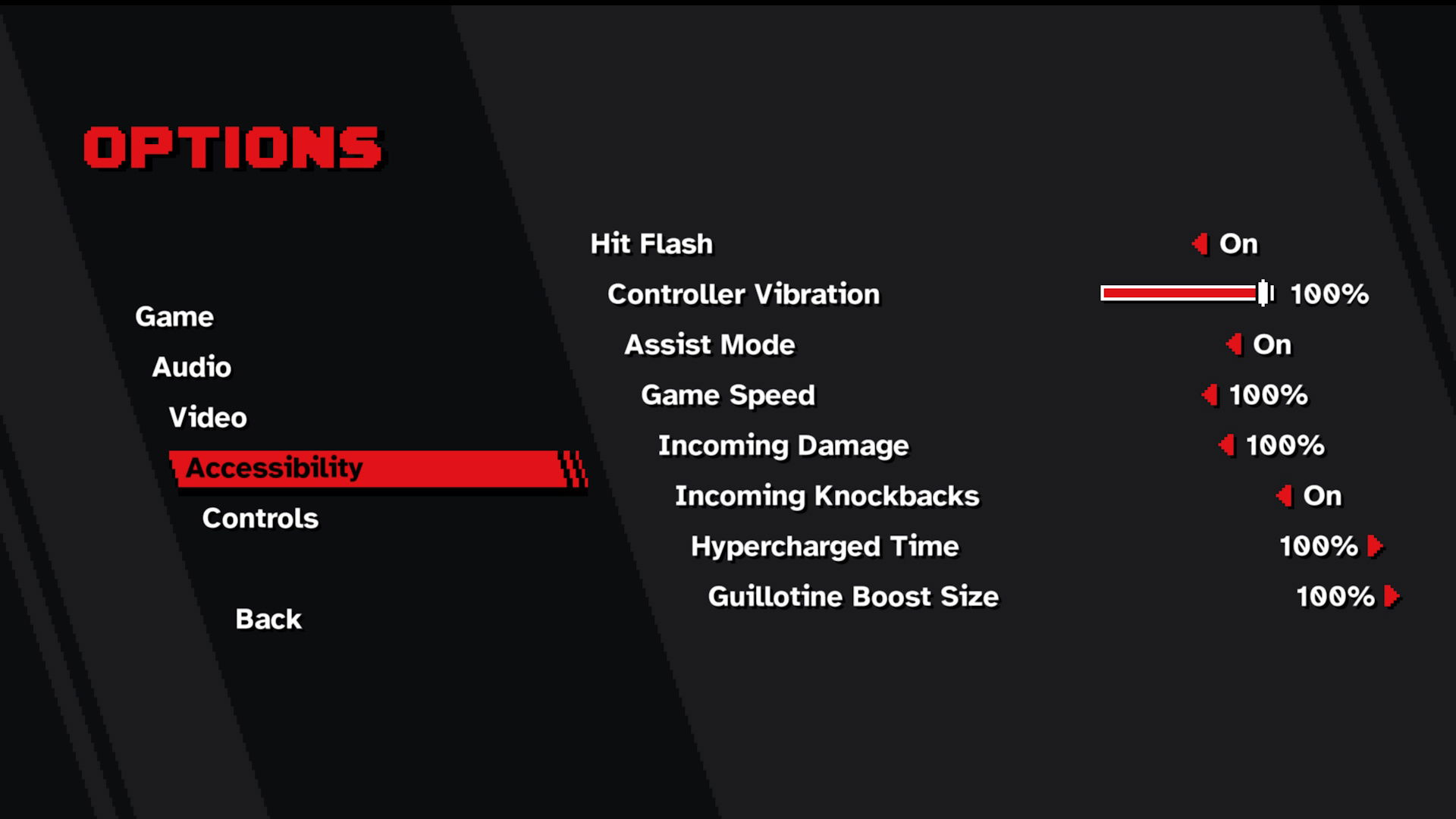
Perhaps the one aspect of this that people will and no doubt have complained about, is that the assist mode does not affect skill ranking or progression. As such, you can enable these settings as you aim for the loftiest of challenges the game presents you with. Which hey, that’s a good thing. Because for every person who might cheese these settings to save themselves time, for others it’s a vital feature that enables them to enjoy everything the game has to offer.
4. Talismans Increase and Decrease the Challenge As a Choice
In addition to the assist modes, the game’s Talisman unlocks work to both make your life easier, and if you wish, make it harder. By finding Scarab collectables throughout your playthrough you can then purchase and equip up to two Talismans be it to change how the game plays to help you progress and complete the level, but equally to remove features you rely on when trying to progress.
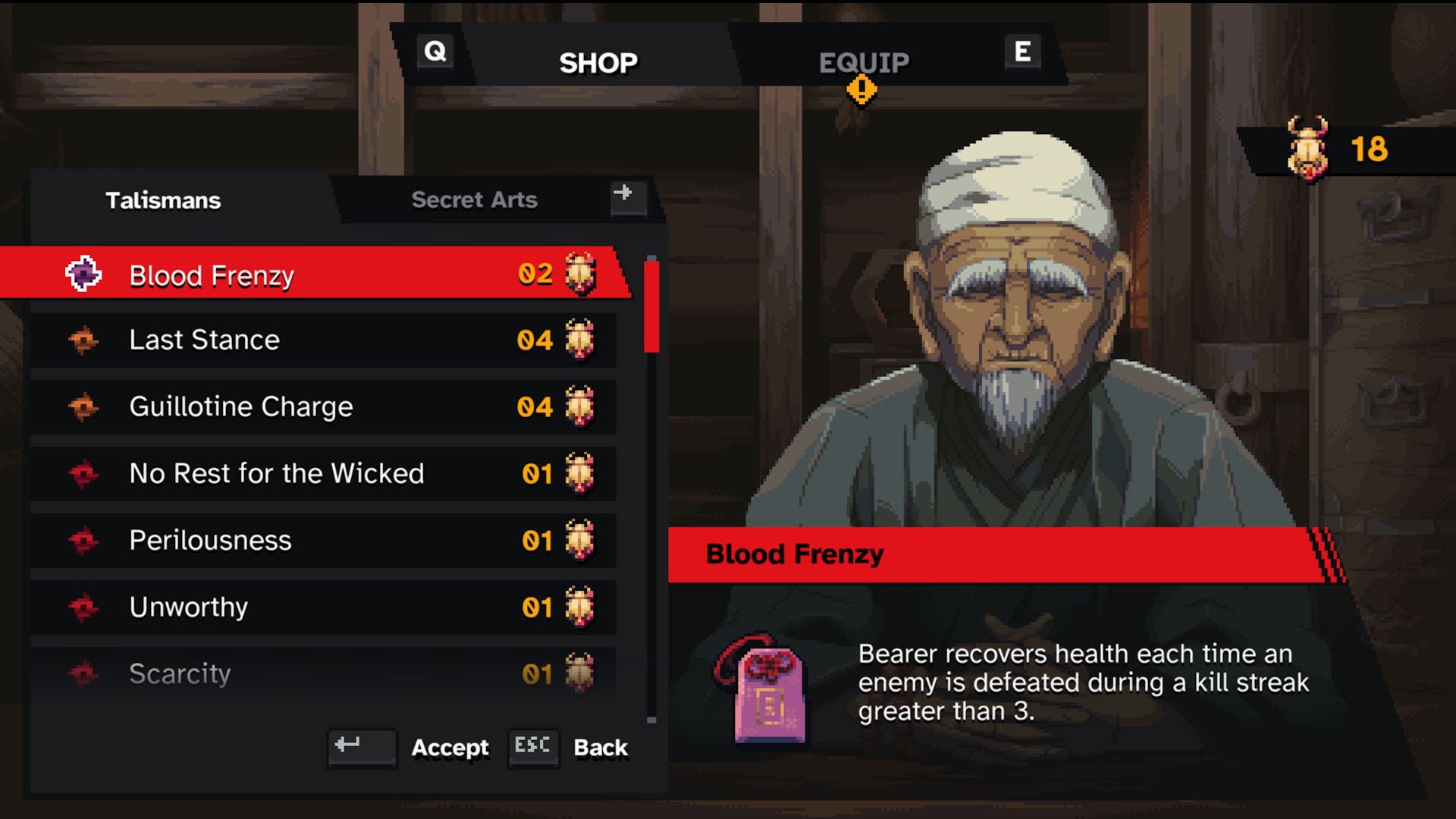
This is a really neat feature, given it fits into my earlier point of allowing for players to slowly build up skill and gradually develop their understanding of the game. You’ll often start out by equipping Talismans such as Bloody Frenzy which recovers health when building a combo, Traveller’s Blessing for resetting health at checkpoints, Last Stance which increases damage at low health, and Ghost Shell to increase your invincibility duration after taking a hit. These act much like stabilisers on a bike, in that over time you won’t need them anymore, and you start to learn how to play the game without them. Ultimately it helps remove a lot of the earlier friction you might experience until your skills adapt.
And it’s expected that ultimately you will eventually do without them, given there are another set of Talismans designed to make the game harder. Scarcity removes health orbs, Perilousness triples damage received, Unworthy removes health recovery at checkpoints, and No Rest for the Wicker removes checkpoints entirely. Applying each of these nerfs, essentially removing safety nets, also increases your overall end-level rank by one. Meaning you can push yourself to hit the S rank on every level you play through by equipping them.
5. Hard Mode is Where It Shines
All of this then comes to a head as you complete the game. Defeating the game on normal mode unlocks a harder difficulty, which does a lot more than increase the damage dealt by enemy NPCs. It also changes the makeup of some encounters, and in some instances the layout of the level itself. It builds on what players have already developed in understanding how the game works, and how to excel in dodging attacks while also timing their own. Presenting you with essentially a sort of Director’s Cut of the original game that is attuned to your new skill level.
And on top of all of this, this is where players can aim for the S++ rank, by stacking the Talismans on top of the harder difficulty you can now push to achieve the highest rank possible in the game, and prove your overall mastery. Personally, that isn’t for me, but it is very much in keeping with lineage of Ninja Gaiden as a franchise, and allows for players to push themselves to that peak of their skill.

Self-Serve Difficulty
The sort of ‘self-serve’ challenge of Ninja Gaiden Ragebound works because it means that the games overall difficulty curve is malleable, allowing players to customise the game enough to allow them to stay in the flow. To build up their skills and face the ever increasing difficulty. It’s a smart approach that ensures that while the game sticks to the principles the series is built upon - even if it isn’t as hard as its 80s contemporaries - it provides players the option to dictate how the game ramps down, or up, without reaching a point of frustration.