

10 Predictions for AI in Games for 2026 | 14/01/26
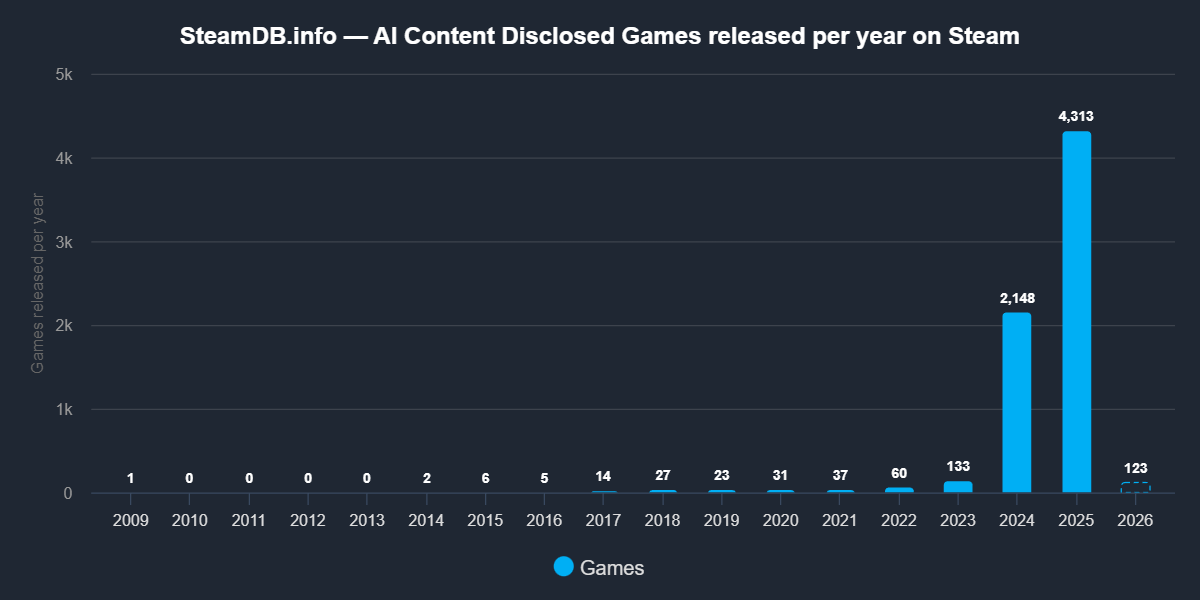
Plus 4000 games were released on Steam with AI disclosures in 2025!


With over 4000 AI tagged games in 2025, expect 1-in-3 games on Steam to have AI disclosures in 2026.
Microsoft’s push for AI dominance will only make Xbox suffer.
Nobody is going to like the UK’s approach to AI legislation.
The AI and Games Newsletter brings concise and informative discussion on artificial intelligence for video games each and every week. Plus summarising all of our content released across various channels, like our YouTube videos and in-person events like the AI and Games Conference.
You can subscribe to and support AI and Games, with weekly editions appearing in your inbox. If you'd like to work with us on your own games projects, please check out our consulting services. To sponsor, please visit the dedicated sponsorship page.
Hello one and all and welcome to AI and Games. For this week’s edition, now that I’m all caught up with my regular day job, I figured let’s dig into some predictions for the year ahead. What am I expecting to occur throughout the next 12 months - both good and bad - that will impact the video games industry its adoption of artificial intelligence technology.

If you were following the newsletter this time last year, I kicked off the year with seven predictions that I was largely on point with. This year I decided to be a little more specific, particularly after we dug into a lot of big conversation points throughout 2025. So it’ll be interesting to see how well I polished the crystal ball for this years antics.
Follow AI and Games on: BlueSky | YouTube | LinkedIn | TikTok
2025 Prediction Scorecard
So as mentioned above, I had a whole list of stuff I covered this time last year, and I figured before we go any further, let’s quickly recount my thoughts in early 2025 and whether I was right on the money.
A Make or Break Year for AAA: This was rather vague, but I still think my point of high profile failures and lacklustre response was largely accurate - I’ll give myself half a point. The recently reported top 10 games of 2025 on PlayStation being the exact same as 2024 highlights that new releases seldom hold the attention of players in the same way as big live service games that now deliver regular incremental updates.
Layoffs will Continue: Yup. I hated being right about that one. Survive ‘til ‘25 always struck me as a rather naïve perspective given it feels like we’re still suffering from a variety of aftershocks from poor decision making at the turn of the decade.
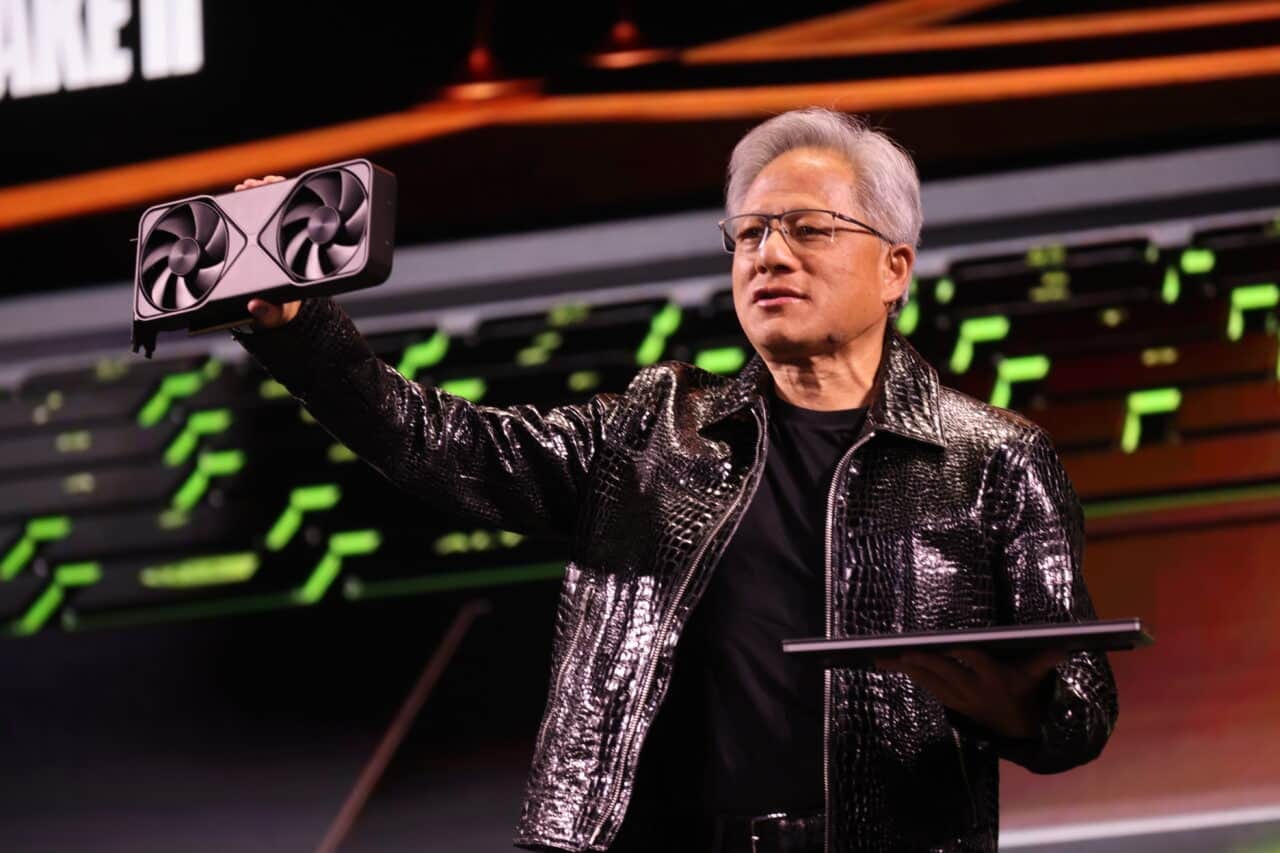
NVIDIA’s Push Into Full-Fledged AI Company: An easy point on my end. The most valuable company in the world is making the bulk of its money off AI, but it still sells graphics cards too!
More AI Demos, More Start-Ups, More Local Inferencing: While the market isn’t throwing around free money as much as it was, there are still plenty of AI start-ups cropping up left and right. Plus as we saw at the AI and Games Conference back in November, on-device deployment of machine learning and generative models is very much the driving conversation as companies (finally) realise that cloud-driven AI deployment is simply not practical in many use cases.
AI-Native Games Will Start to Ship, But Mostly Indie: Yeah there’s been a bunch of these titles - where generative AI is the driving part of the experience - on Steam, and virtually all of them are indie. While I mentioned games like 1001 Nights and Dead Meat last year, neither of those shipped. But still we saw games like AI2U: With You ‘Til The End in January, Millennium Whisper in February, all the way through to Vaudeville in November.
Someone, Somewhere, Is Going to Put Their Foot in It: Oh where do I start with this one? Nvidia’s whitewashing neural face rendering? Activision using generative art in Black Ops 7? The pointless use of AI voice models in Arc Raiders? Don’t even get me started on that Darth Vader in Fortnite thing. Though it seems nowadays that the easiest way to get away with making mistakes like this is to simply push forward, ignore it, and hope that players stop grumbling.
Platform Holders Will Begin to Dictate Policy: Well, egg on my face. I got this one completely wrong. Nobody did anything of substance here, and as a result all of the storefronts are now littered with even more slop than ever before. I point I dug into further in the middle of last year.
Okay, so all-in-all, I scored 5.5/7. Not bad at all! Admittedly I think some of these were rather low hanging fruit. So I figured for this year, why not be a little more ambitious?
Predictions for 2026
Okay, I worked to distil my predictions for this year into 10 main topics, and there are even some sub-predictions in there as well. I figured last year I was a little sceptical about a lot of things happening in and around AI, and sadly I think this year I’m even more gloom’n’doom. Because for all of the great innovations that are happening right now - that I am of course going to keep on top of and report to you - the state of the industry combined with another year of rampant over-enthusiasm for mediocre AI tools will mean we’re going to be dealing with a lot of these big issues going forward.
#1 AI-Tagged Steam Games Will Explode
Let’s start by returning to the AI disclosures on Steam. Last year I reported that by the middle of 2025 there were over 2000 games on steam that had reported their AI disclosure. By the end of 2025, that number reached 4311: a 100% increase on 2024 when Valve’s policy became more formalised, and a 4750% increase since Steam started monitoring AI use on the store in 2023. In addition, at the time of writing we are well on our way to having the total for 2026 exceed all of 2023 - and it’s only the middle of January.
20,004 games were released on Steam in 2025, an 8% increase on 2024, and a 42% increase on 2023. Meaning 22% of all games released on Steam in 2025 ticked yes on the AI content disclosure. While I expect the total number of games in 2026 to increase on last year by around 8-10%, I expect far more low-quality games to continue to use AI tools for art and code, to a point that I’m willing to make two predictions:
At least 7000 titles will have the AI content disclosure in 2026.
One third of all games released on Steam in 2026 will have AI content disclosed.
Is this something I’m excited by? Not really. As I discussed in my article on the subject last year, the broader adoption of generative AI in game development has led to a fundamental problem of AI shovelware flooding storefronts on everywhere from Steam to PlayStation, Xbox and the Nintendo eShop. A problem of quality control that makes it harder for small indies making decent product to stand out in the crowd.
#2 Valve Will De-Emphasise the AI Disclosure on Steam
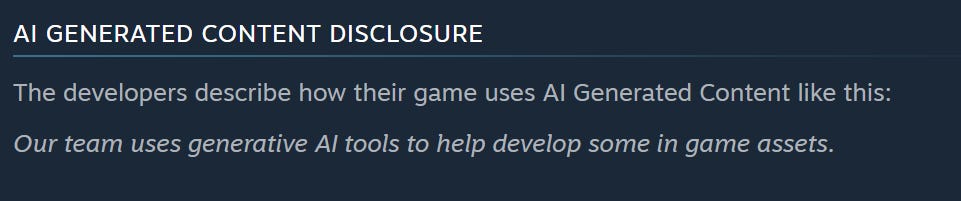
While I believe thousands of games will submit the AI content disclosure, I also think Steam’s owners Valve will de-emphasise it some degree. In fact it was interesting to see George Osborn made a similar comment over on his VGIM predictions last week, but I don’t quite agree with him 100%.
In his issue George states that the AI content disclosure on Steam will be removed entirely, rather than going for a smarter solution of having more granularity in their submissions process - a point I have argued for several times.
While I agree Valve would rather do away with it, I suspect they will keep it around given the likes of EU AI Act has transparency obligations for when software users are interacting with an AI system. Meanwhile generative AI providers (and users) must have a way of identifying what outputs are artificial. So I suspect for legal reasons it will be useful as a storefront to still have the AI disclosures as part of Steam’s submission process. At least they will have a record of which titles fall under this should lawmakers in Brussels start having a look at what Valve is up to.
That said, I think they’ll go the route of de-emphasising the disclosure on store pages, potentially removing them entirely. While this will no doubt anger many a gamer who actively hunt down and call out the slop filling up the storefront, Valve will be more interested in placating the bigger players in the space. Larger AAA studios who are continuing to explore generative technologies, as their adoption is becoming more pervasive - notably in non-creative aspects of game development. Larger companies will see it as an issue they don’t want to face blowback from, and so minimising the disclosure from the consumer-facing side of Steam will be considered.
#3 AAA Studios Will (Quietly) Double-Down on Gen AI
2025 was the year consumers began to notice how generative AI had crept into game production. But while the Steam numbers are largely in relation to indies, there was a significant increase in AAA studios serving nothingburger statements on the potential of the technology alongside use of generative AI for often incidental aspects of their games: ranging from in-game cosmetics, to loading screens, background text, voice work, and much more besides. This has received significant - if inconsistent - backlash from gamers. But as discussed recently, I sincerely doubt outcry from potential customers will stop AAA studios desperate to cut costs to abandon the technology.
It’s important I take a moment to state, we need to delineate between using generative AI to support game production and the more commonly recognised use of the technology for in-game assets or the AI-native gameplay concept.
Projects such such as EA’s AgentMerge project to keep on top of JIRA tickets, or using multi-modal models for QA purposes, or Activision’s multimodal retrieval model for asset retrieval are a great example of how to use generative AI to support game development without being a part of the final product. These projects are vital not just to generative AI’s ‘success’ in the industry, but are part of the make-up of the gradual evolution of how AI influences game production, and as always I’ll work to share some insights on this as the bulk of the gaming masses - and the games industry - remains simply unaware of it.
However, alongside this is the much maligned use of generative AI for in-game assets, be it dialogue, story, textures, 3D models, code, animation or otherwise. This will continue, and in many instances we’re going to even more of this, given the games coming out now no doubt did 1-2 years ago.
Many a studio are going to keep to the playbook of trying not to acknowledge that they’ve done it - notably for fear of the ever increasing backlash. Meanwhile I suspect the waffly statements we hear from games studios are going to quieten down. I think people are finally catching on that making these statements in PR is simply not good for business.
Following the public conversation on this as a game developer is important, and we’ll come back to that in a moment!
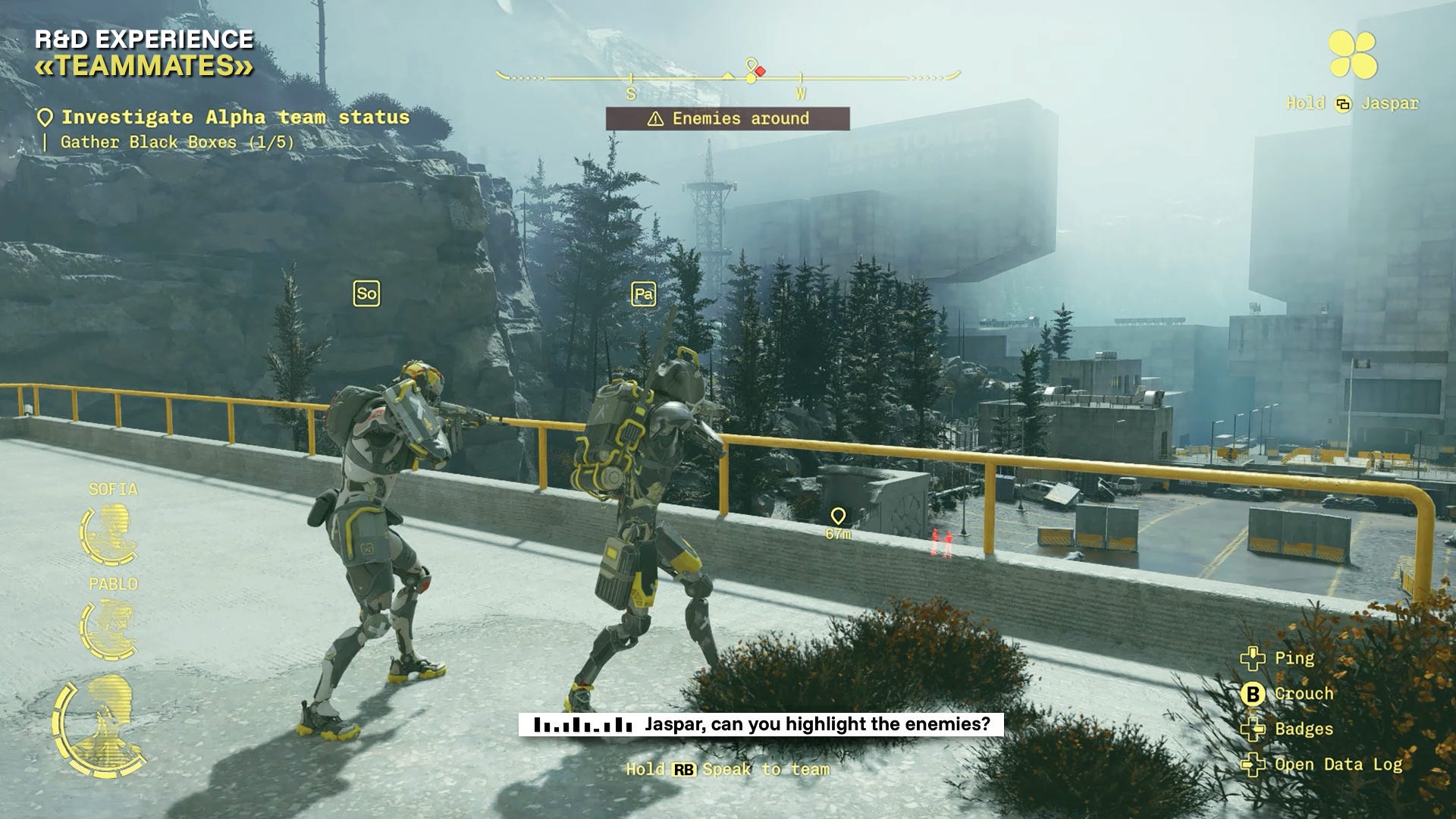
#4 The First AI-Native Title from a AAA Studio/Publisher Will Be Announced*
As mentioned we’ve seen a slew of AAA titles that have used generative AI to some degree - largely with disdain and outright revulsion from the gaming masses - but there is very little that is what hype-merchants refer to as ‘AI-Native’: meaning that the gameplay experience requires generative AI technology to work.
We have been hit with demo, after demo, after demo, advocating for these ideas, but of course it’s a lot of work to get from these rather limited experiences to a full gameplay. For AAA games studios in particular, you’re typically talking a 3-7 year window for any project to go from initial concept to release. So with generative AI only really blowing up in 2023, we’re still in that phase where any AAA game built with generative AI for gameplay is still in development. I think 2026 is the year we’re going to see a AAA game get announced that is AI-native.
BUT!
You might have noticed I have a cheeky asterisk in the title. I suspect that while an AI-native game will be announced in 2026, we might not actually know if it is in fact AI-native until later. After all 90% of game announcements are vague cinematic-heavy previews without showing gameplay, and given the current public sentiment towards generative AI, publishers will be keen to avoid having their new game be dead-on-announcement.
Speaking of the public sentiment…
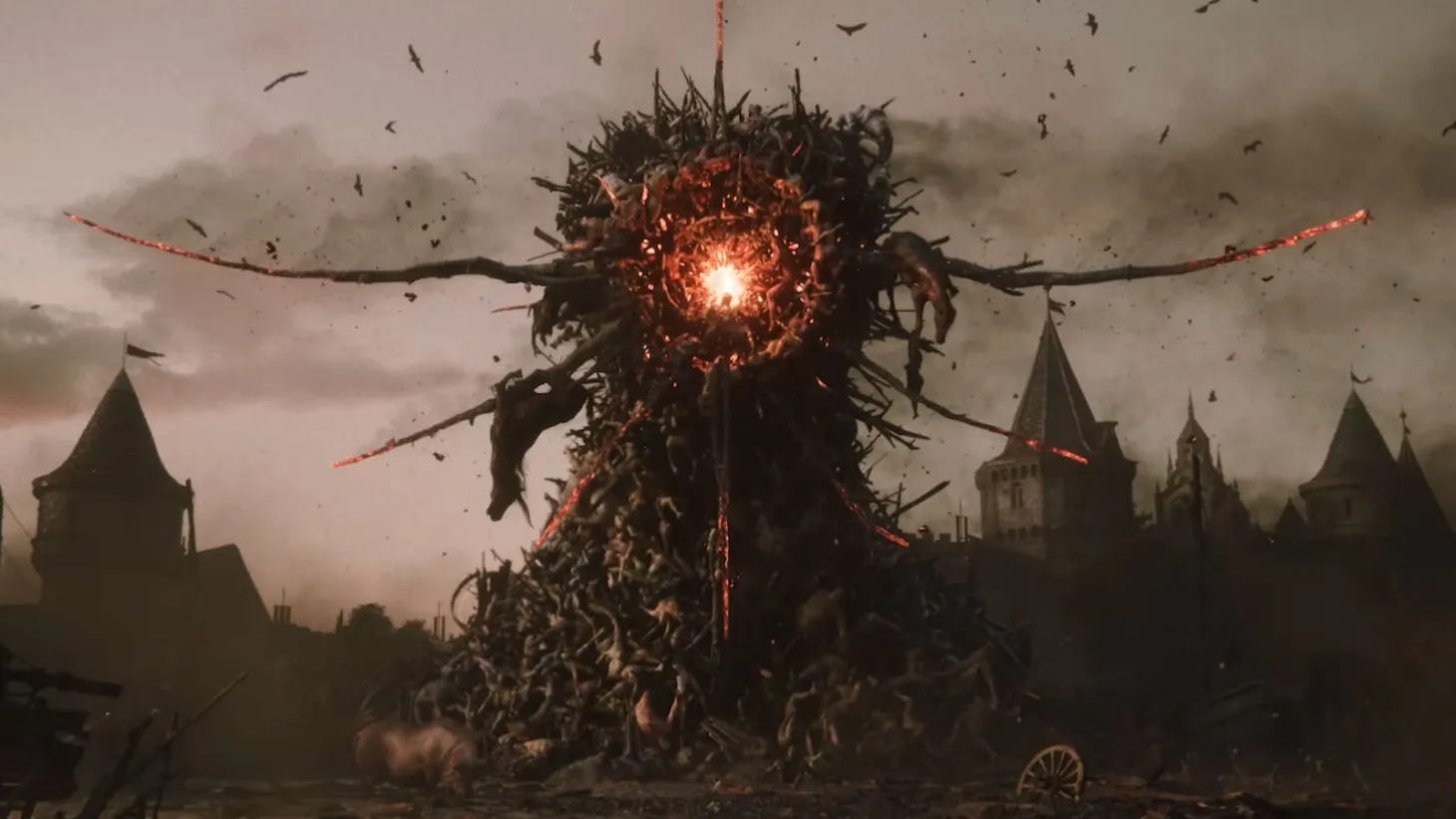
#5 Player Backlash to Generative AI Will Become Increasingly More Vocal
For the studio executives and senior leadership reading this newsletter, this is the big takeaway for you.
The vast majority of your most ardent of fans - the hyper-enthusiasts who you rely on to keep the lights on - hate any and all generative AI you have presented to them.
For two years I’ve warned about the significant vocal backlash that games studios would receive as they continue to not just explore generative AI haphazardly, but deliver worthless PR statements that they hope will diffuse any issues. Customers are increasingly savvy both to the aways in which generative AI is being adopted in commercial products, and the impact that this has on both the product they receive as well as the developers behind-the-scenes.
I stated back in the spring of 2024 that game developers need to showcase meaningful use cases of generative AI that don’t simply amount to savings on the salary sheet. They need to see value for them. Something that delivers an experience that’s fresh, engaging, and doesn’t become a means to lay off staff or conform to the (understandable if incorrect) narrative that all generative systems are plagiarism engines.
Thus far everything has come up short, and people are understandably pissed off.
In the past week we’ve seen Larian CEO Swen Vincke continue to back-peddle on his statements regarding generative AI, and that is only going to continue. Going forward the most ardent of Larian’s fans are going to scrutinise everything the studio does right up to, and after, the launch of their next game Divinity. Every screenshot, every social media post, every trailer, every bit of behind-the-scenes footage. Because the implication behind the original Bloomberg interview was the use of these technologies in ways that would compromise the very thing their audience loved in titles such as Baldurs Gate 3.
I really can’t understate how badly Vincke fucked up in that moment. That is a stain the studio may never be able to remove, and it was entirely avoidable too.
Every studio faces this issue, and it is all a matter of public perception. As far as the internet is concerned Call of Duty is now a slop factory, and Microsoft have a big PR problem (one of many) to overcome going forward. Regardless of whether the next entry in the popular shooter-franchise is any good, there are swathes of players who will have abandoned that IP for good because of the AI adoption.
This is only going to get louder, more prominent, bordering on mainstream, and I suspect at least one or two high-profile games this year will suffer as a result.
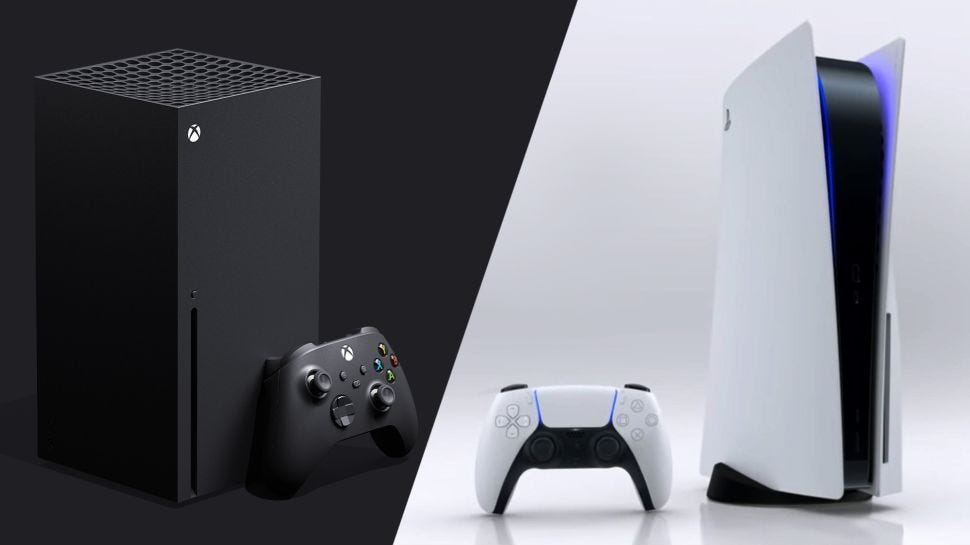
#6 PC and Console Gaming Will Outpace Consumer Budgets, and Players Will Blame AI
A simple one that we’ll see come through sales data and much more besides: gaming is an increasingly specialist hobby. Thanks to AI bubble pushing RAM prices through the roof - which has a knock-on effect on GPUs - combined with global trade tariffs, games consoles and relevant PC hardware are only going to increase in price.
If you’re hovering over the buy button on a PS5 or Switch 2 right now, I’d get on with it. If you’re looking to upgrade your PC, you’re already a year too late sadly.
This is only going to add fuel to the overall negative sentiment towards AI. After all these cost increases are the result of RAM manufacturers focussing their efforts on creating the fixed spec units for data centres rather than the broader set of SKUs for personal use.
Meanwhile VR platforms such as the Meta Quest are pretty much dying out. The company’s insistence on burning ridiculous amounts of cash on a project (i.e. the metaverse) that nobody wanted - they just wanted cool VR games - has led to them more or less abandoning the platform as they shut down studios left and right. Why are they abandoning it? Well to pursue AI of course.
I expect to see broader consumer spend on new GPUs, RAM and consoles to collectively be on a downward trend in 2026. PS5 sales will slow down, Xbox sales will pretty much peter out. The only one that might buck that trend is Nintendo with the Switch 2 - provided they have something to show for it!

#7 On-Device (Generative) AI Will Surge
Last year I said deployment of AI models (i.e. machine learning and generative AI) that runs locally on the user’s device would be a big talking point. As AI models are prohibitively expensive to host on servers, and the latency often being impractical for real-time gameplay, it would mean that many games and providers will mve towards local inference pipelines and the ability to run on dedicated TPUs on the likes of Nvidia GPUs.
This proved to be dead on. Games like Millenium Whisper launched on Steam at the start of the year, while Dead Meat as we discussed last month has migrated to on-device given the issues (and costs) with running it on a server.
This will only continue this year, what with everyone from Samsung to Arm bringing new on-device AI compute to consumer hardware in 2026. Meanwhile I expect to see more games announced on Steam that rely on on-device AI compute.
However, the big thing for me, is I expect to hear one or two studios announce their intention to release games with on-device AI models on the Switch 2 - the only console on the market that can pull it off.
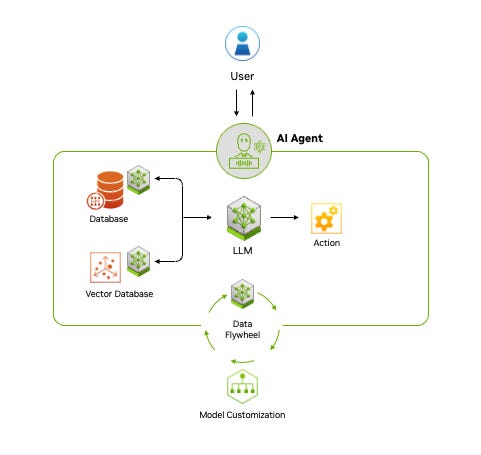
#8 Agentic AI Will Largely Be Ignored
Conversely, while interest in smaller machine learning and generative models running on-device will see a lot of interest, agentic frameworks - the other big AI topic right now - will largely go unnoticed.
Agentic AI is a form of AI that is expected to operate autonomously in a complex environment. Quite often an agentic framework can have multiple machine learning and generative AI systems running under the hood at once working in tandem. An LLM observes the current state of the system, determines issues and tasks it can execute, and from there start delegating these tasks to the other systems to complete - and all without supervision from a human.
Now if you’re wondering where this would actually get used? Well, think about all of those horrendous AI-based customer support systems you’ve been inundated with in the past year or so. That annoying chatbot you were dealing with would have been part of an agentic framework. It’s subsequently been employed in areas such as gambling and sports betting, cryptocurrencies, social media bots, and more significantly in software development, with AI generating tasks to complete and then writing the code needed to resolve it. I suspect this why every Windows 11 update this past year has been fucking awful. I only just got Bluetooth working on my desktop again after 2 months…
Right now I keep seeing statements that agentic AI will be the next big thing in game development, and while I’ve seen several examples of how to deploy it within a game production pipeline, I’m not convinced. Most of them amount to removing even more humans from the game development process. After all, why bother hiring programmers, artists, writers and sound designers into a studio when you can just get AI to do the whole thing? Those out there selling AI as a tool need to get past the idea of using it to replace creatives in the pipeline. If that’s all you can offer in game development, it’s not going to cut the mustard.
I think at best agentic AI has a future in areas of build automation, coding, and general project management - supporting producers to auto generate tasks based on reports coming in from error logs and performance reports, and I’m curious to see what studios could do in these areas. But outside of that, the bulk of the games industry will reject the idea. Automating creativity will never take off.
#9 The Death of Xbox As a Platform
If I was to put together a list of the biggest winners and losers of 2025, I would put Microsoft somewhere at the top of both categories. The company continues to prove highly successful, with stock prices riding high, and revenue up 15% on 2024. Meanwhile their gaming brand has pushed heavily into cross-platform publishing, with last summer proving highly lucrative as half of the top 10 best-selling games on PS5 were published by Microsoft.
But much of Microsoft’s success has been at the expense of Microsoft itself. Profits are pushed by annual mass layoffs in the thousands, with surviving games studios either shut down or reconsolidated. Projects are shut down or quietly shuffled away into obscurity. Combine this with the rather lacklustre launch of the Xbox Rog Ally - a great piece of hardware let down by an atrocious OS layer and inability to play your console library - increasing the price of Game Pass Ultimate by 50%, and the ever-dwindling sales of console hardware, and it paints an ugly picture. With these pushes coming as Call of Duty suffers its worst launch in recent years, and its stuffed full of gen AI nobody wants too.
Despite Xbox releasing some fantastic games in 2024 and 2025, the general sentiment towards the brand feels low, and a big part of that is the broader sentiment towards Microsoft. As it becomes apparent that everything from laying off developers, to increasing costs on consoles, games, and subscriptions is part of a broader effort to absorb costs for a push into consumer-grade AI products that really aren’t justifying their cost. The company is increasingly synonymous with AI in ways ‘Microslop’ won’t be happy about. Meanwhile they continue to face scrutiny from their indirect support of Israel with the Boycott Xbox movement. With them being described by the Palestinian BDS National Committee (BNC) as the "the most complicit tech company in Israel’s illegal occupation, apartheid regime and ongoing genocide against 2.3 million Palestinians in Gaza".
By the end of 2026 there will still be Xbox consoles on the shelves - assuming stores keep selling them. But unless efforts are made to improve the public image of Xbox and the value it is bringing to players as a platform, the console space they operate in will be largely a net loss, and the brand would be best served as a games publisher on PC, PlayStation and Nintendo.
It’s a real shame as I’ve been integrated into their ecosystem since the Xbox 360, but I find it increasingly difficult to continue to invest in it any further.

#10 New UK AI Legislation Will Annoy Everyone
After the past year in which I’ve written about legal implications of AI in the games industry on multiple occasions, I couldn’t possibly wrap up my predictions without making a proclamation in this sphere.
Having recently published their response to the AI consultation from around this time last year, it is pretty clear that the public hate everything the government thought was a good idea. Plus, AI companies at the time of the consultation didn’t think it was enough. I still need to report back on the consultation response. Hopefully in an upcoming issue later this month if not February.
I suspect later this year the Labour government will put forward a bill proposing their intended changes for AI and copyright, and it will once again be in this middle ground where everyone is angry, nobody is happy, and I’ll have to dig into it all again…
Wrapping Up
There we have it: 10 predictions for the year ahead. It’s a bit of a miserable set of affairs, but nonetheless I hope you found it insightful! I’ll be interested to see how far off the mark I am come the end of the year.
In the meantime, a special shout-out to fellow AI and Games Conference organiser Duygu Cakmak who appears in the video above showcasing a prototype for an in-game generative-AI powered advisor for Total War: Pharoah, powered by Nvidia’s ACE platform.
It’s an interesting idea of having an AI assistant helping you better understand how to succeed in a complex strategy series like Total War. I still suck at these games despite having played hours of several entries in the franchise.
Alrighty, catch you later folks. See you next week.
Love the list - let's see how this plays out in 2026 but I can can see the sow painful death of Xbox too. Steam seems to be hitting on all cylinders right now... how long until Microsoft owns them too? 👾🗿